SAF: Sustainable Aviation Fuel Regulations
I. Definition
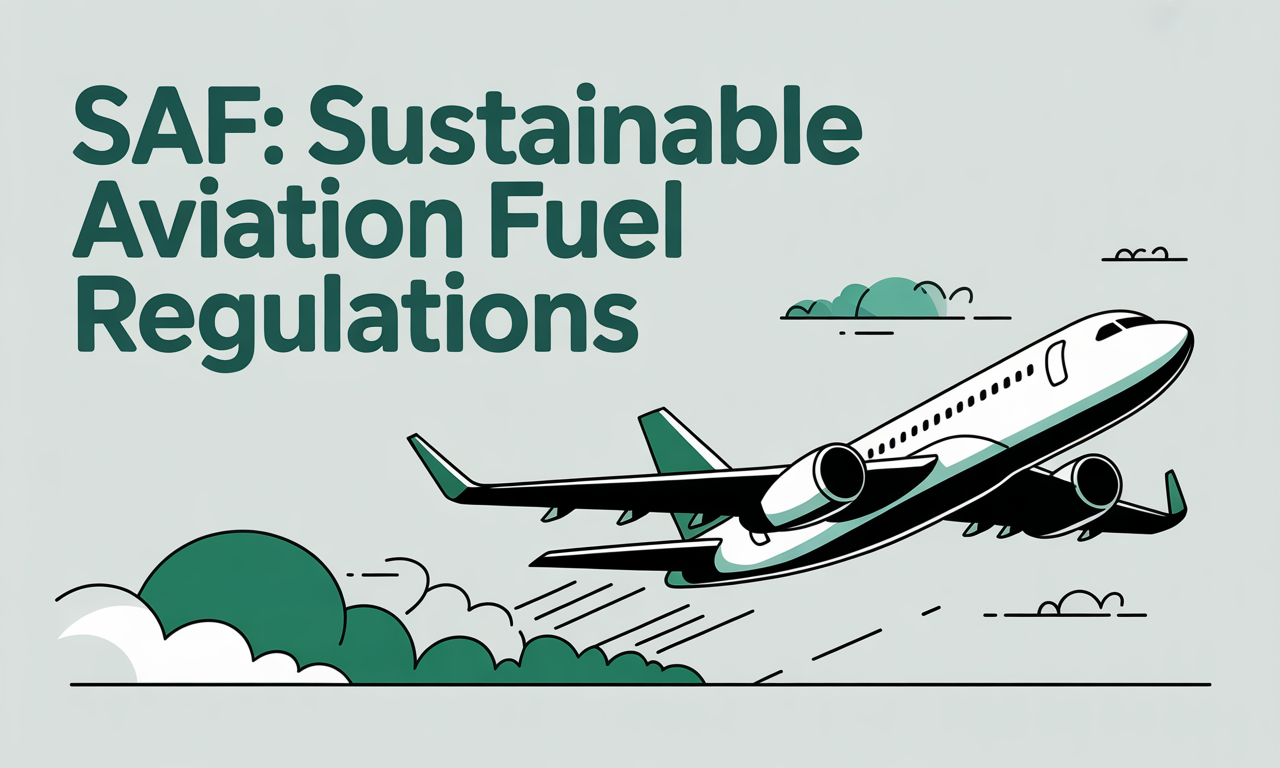
SAF (Sustainable Aviation Fuel) refers to alternative fuels used in aviation to reduce carbon emissions.
SAF Regulations are rules that encourage or require the use of SAF in air transport.
These regulations aim to lower the environmental impact of aviation.
II. Context
The aviation sector has a strong impact on climate change.
Because of this, governments and regulators are introducing SAF Regulations.
These rules define:
- minimum levels of SAF use,
- reporting obligations for fuel suppliers and airlines,
- long-term climate objectives for aviation.
SAF Regulations support broader climate and sustainability frameworks.
They help companies align aviation activities with climate targets and reporting requirements.
Companies working with aviation fuels often link SAF data to:
- sustainability reporting under CSRD,
- emission reduction targets such as SBTi,
- climate disclosures aligned with ISSB,
- broader sustainability frameworks like GRI.
III. Related terms
- CSRD: Corporate Sustainability Reporting Directive
https://www.orizscore.com/blogs/csrd-corporate-sustainability-reporting-directive - SBTi: Science Based Targets Initiative
https://www.orizscore.com/blogs/sbti-science-based-targets-initiative - ISSB: IFRS S1 and S2 Global Standards
https://www.orizscore.com/blogs/issb-ifrs-s1-s2-global-standards - GRI: Global Reporting Initiative Mapping
https://www.orizscore.com/blogs/gri-standards-mapping-csrd
IV. Example
An airline operates flights within the European market.
Under SAF Regulations, it must use a minimum share of SAF in its fuel mix.
The airline reports:
- fuel usage and emissions for CSRD,
- emission reduction progress linked to SBTi,
- climate information aligned with ISSB.
This helps the company show progress toward a more sustainable aviation strategy.